


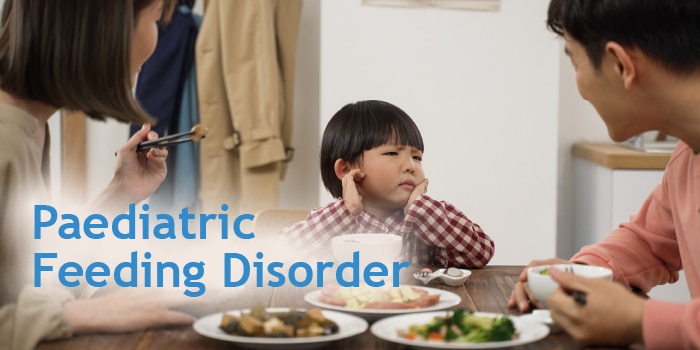
Feeding is an essential part of a child’s growth and development. It is the foundation of nutrition, but it is also a complex sensory and motor task that requires the coordination of dozens of muscles and multiple neurological systems. However, for some families, mealtimes can become a source of significant anxiety and conflict rather than a time for connection. When a child struggles with eating certain foods or textures, it often goes beyond “fussy eating.” These challenges may indicate a Paediatric Feeding Disorder (PFD) rather than typical picky eating. Understanding feeding disorders early can help parents and caregivers provide the right support and create a positive mealtime environment.
What is Paediatric Feeding Disorder?
Paediatric Feeding Disorder (PFD) is defined as impaired oral intake that is not age-appropriate and is associated with medical, nutritional, feeding skill, and/or psychosocial dysfunction. It occurs when children experience persistent difficulties with eating or drinking that interfere with their health or social well-being. Unlike the “picky eating” phase that many toddlers go through, PFD is characterized by a deeper inability to consume enough calories or a variety of nutrients to thrive.
These challenges may involve a wide array of behaviors and physical limitations. Some children are extremely selective about foods, often limiting their intake to fewer than 20 specific items. They may eat only specific textures, such as exclusively smooth purees or only dry, crunchy foods. In many cases, a child might accept only certain brands, shapes, or colors of food—for example, only eating a specific brand of chicken nugget or refusing any food that is green. Beyond preference, some children face physical hurdles like difficulty chewing or swallowing, or they may avoid eating outside the home entirely due to food selectivity and the anxiety of being presented with “unsafe” foods.
Unlike typical picky eaters, who might eventually try a new food after multiple exposures, children with feeding disorders often have significant limitations that impact their nutrition, social participation, and overall development. Some children develop feeding difficulties due to underlying medical conditions, such as gastroesophageal reflux disease (GERD), eosinophilic esophagitis, or severe respiratory illnesses. Others may struggle with the fundamental oral-motor skills needed for the complex process of chewing and swallowing safely.
How Common is Feeding Disorder in Children?
Feeding disorders are far more common than many parents realize, yet they are frequently underdiagnosed or dismissed as a “phase” the child will outgrow. Research suggests that 25% to 45% of children in the general population are diagnosed with feeding disorders at some stage of their development. This indicates that a significant portion of parents are navigating these challenges, often feeling isolated in their struggle.
While children from any background can experience feeding difficulties, certain groups have a higher risk profile. Premature infants often face feeding hurdles due to underdeveloped sucking reflexes or traumatic early medical interventions. Children with autism spectrum disorder (ASD) frequently experience sensory sensitivities that make the texture, smell, or sight of food overwhelming. Additionally, children with genetic syndromes or neurological conditions often face physical barriers to eating. Among children with disabilities, the prevalence of feeding disorders is significantly higher, ranging from 33% to 80%. Because these challenges can affect long-term growth and social integration, early identification and intervention are essential.
Signs Your Child May Have a Feeding Disorder
Recognizing the difference between a preference and a disorder is key to seeking help. Parents and caregivers should look for persistent patterns rather than one-off instances of food refusal. Common indicators include eating only a very limited variety of foods or refusing entire food groups. A child might have an intense negative reaction to certain textures or temperatures, such as gagging at the sight of mashed potatoes or refusing anything cold.
Physical signs are also critical. If a child takes a very long time to finish meals (often over 30 to 45 minutes) or consistently struggles with the mechanics of eating—such as difficulty chewing or swallowing—it warrants professional attention. Social avoidance is another red flag; if a child avoids meals in social settings like birthday parties or school lunchrooms, the disorder is impacting their quality of life. Most importantly, physiological responses like gagging, choking, or coughing while eating should never be ignored. If these signs persist, consulting a speech-language pathologist (SLP), occupational therapist (OT), or pediatric specialist can help determine the underlying cause and guide a tailored treatment plan.
Tips to Make Family Mealtimes Enjoyable
While professional intervention is often necessary, the home environment plays a massive role in a child’s progress. Creating a calm, supportive, and predictable atmosphere can lower the “high-stakes” feeling of mealtime.
Establish a Consistent Mealtime Routine
Children, especially those with sensory or anxiety issues, thrive on routine. Having meals and snacks at consistent times throughout the day helps regulate their internal hunger cues and prepares their bodies and minds for the act of eating. When a child knows what to expect, their “fight or flight” response during meals is less likely to be triggered.
Provide Comfortable Seating
Postural stability is a prerequisite for successful eating. If a child is struggling to keep their body upright, they cannot focus on the complex task of chewing and swallowing. Ensure the child has proper support, ideally with their feet resting on a flat surface and their hips, knees, and ankles at 90-degree angles. A stable sitting posture improves focus and promotes safer swallowing mechanics.
Introduce a Variety of Foods Without Pressure
It is important to continue offering foods with different textures, temperatures, and flavors, but the goal should be “exploration” rather than “consumption.” Allow the child to look at, touch, or smell a new food without requiring them to eat it. Gradual exposure in a non-threatening way builds familiarity and eventually leads to acceptance.
Allow Enough Time for Meals
Rushing a child who finds eating difficult will only increase their stress and the risk of choking. Give children sufficient time to navigate their plate without the pressure of a ticking clock. Gentle, supportive prompts can encourage slower and more mindful eating, helping them process the sensory input of the food.
Create a Positive Mealtime Atmosphere
The dinner table should not be a battlefield. Engage in lighthearted conversation, play soft music, or dim the lights to create a pleasant setting. When the environment is relaxed, the child’s nervous system is more receptive to trying new things. Focus on the social aspect of the meal rather than just the volume of food consumed.
Use Positive Reinforcement
Celebrate the small wins. Progress for a child with PFD might simply be touching a piece of broccoli or licking a new fruit. Encourage this progress through verbal praise and positive feedback. Acknowledging their effort helps build their confidence and creates a positive association with the dining table.
Offer Small, Frequent Meals
For many children with feeding disorders, a large plate of food is visually and sensorially overwhelming. If three large meals feel like an impossible mountain to climb, offering smaller, nutrient-dense meals or snacks throughout the day can make the process feel much more manageable and less daunting.
Avoid Pressuring Children to Eat
One of the hardest but most important strategies is to remove the pressure. “One more bite” or “no dessert until you finish your peas” can create intense anxiety and long-term negative associations with food. Instead, remain patient, supportive, and encouraging. Trust that with the right environment and professional support, the child will expand their palate at their own pace.
Dysphagia in Adults: Understanding Swallowing Difficulties
Feeding and swallowing challenges are not limited to the paediatric population. Adults can also experience significant difficulties with the mechanics of eating, often due to a condition known as dysphagia. This condition can arise from neurological events like strokes, progressive diseases such as Parkinson’s or Multiple Sclerosis, or even physical damage to the esophagus.
What is Dysphagia?
Dysphagia is a medical term for difficulty swallowing food or liquids. It is a surprisingly widespread condition, affecting nearly 44% of the global population at some point in their lives, particularly in the elderly. Some individuals may only struggle with specific items—such as thin liquids or dry bread—while others may find it difficult to swallow anything at all, including their own saliva.
Common Symptoms of Dysphagia
Adults with dysphagia may experience a variety of distressing symptoms. These include coughing or choking during meals, or the sensation of food being “stuck” in the throat or chest. In some cases, food or liquid may reflux back through the nose. Other signs include drooling, difficulty controlling food in the mouth, or a “wet” or gurgling sounding voice immediately after swallowing.
If left untreated, adult dysphagia can lead to severe health complications. These include significant weight loss, dehydration, and aspiration pneumonia—a serious condition where food or liquid enters the lungs instead of the stomach. Early evaluation by healthcare professionals, such as speech and swallowing specialists or ear, nose, and throat (ENT) doctors, is vital. They can provide diagnostic imaging (like a modified barium swallow study) and suggest texture modifications or swallowing exercises to improve safety and quality of life.
Final Thoughts
Feeding and swallowing difficulties are complex issues that impact the very core of our health, nutrition, and social lives. Whether it is a child struggling with the textures of a new food or an adult recovering from a medical event, these challenges require empathy, patience, and expert guidance.
Recognizing the signs early is the first step toward improvement. For families dealing with Paediatric Feeding Disorder, remember that you are not alone, and your child’s behavior is often a communication of a physical or sensory struggle rather than simple defiance. With the right combination of professional intervention and supportive home strategies, it is possible to transform the mealtime experience from one of stress to one of nurturing and growth.