

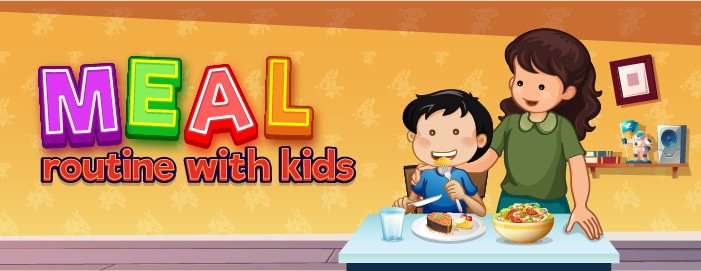
Mealtime is frequently viewed through a lens of utility—a necessary break in the day to refuel and move on to the next activity. For many parents and caregivers, the primary goals are simple: ensure the child eats a balanced diet, minimize the cleanup, and finish within a reasonable timeframe. However, when we shift our perspective from “feeding” to “learning,” mealtime transforms into one of the most potent developmental classrooms available to a child.
While nutrition is undeniably the foundation of physical health, the act of eating offers far more than caloric intake. It is a complex, multisensory experience that fosters independence, refines physical capabilities, and builds the emotional resilience a child needs to navigate the world. By treating mealtime as a deliberate educational moment, we allow children to master essential life skills in a natural, low-pressure environment.
Embracing the Mess: The Science of Sensory Learning
One of the greatest hurdles for caregivers is the inevitable mess that accompanies a child’s journey toward self-feeding. It is tempting to take the spoon and do the work ourselves to keep the floor clean and the clothes unstained. However, just as a child must stumble and fall several times before they can walk steadily, they must drop, smear, and spill before they can eat with precision.
A “messy” meal is actually a sign of a high-functioning learning environment. When children engage with their food using their hands and utensils, they are participating in a rich sensory exploration. They are learning to distinguish between the squishiness of a steamed carrot and the crunch of a cracker. They are discovering that some foods are warm while others are cold, and that different textures require different levels of pressure to hold. This sensory processing is a foundational building block for cognitive development, helping the brain organize and interpret information from the physical world.
Developing Physical Mastery and Coordination
Self-feeding is an intricate dance of physical movements that we often take for granted as adults. For a young child, it requires the synchronization of several complex systems:
- Fine Motor Skills: The ability to use the small muscles in the hands and wrists is crucial. Gripping a spoon, pincer-grasping a pea, or maneuvering a fork requires strength and dexterity that can only be built through repetitive practice.
- Hand-Eye Coordination: Guiding a utensil from a plate to the mouth is a significant spatial challenge. It requires the brain to calculate distance and trajectory while the hand remains steady.
- Oral-Motor Development: Learning how to move food around the mouth, chew effectively, and swallow safely is part of the physical education that occurs during every meal.
When we allow children the time and space to feed themselves, we are giving them the “gym time” they need to refine these motor skills. Every missed bite that lands on a bib is a data point that helps their brain calibrate for the next attempt.
Cultivating Independence and Self-Confidence
At its core, mealtime is about autonomy. It is one of the first areas of life where a child can exert control and experience the rewards of their own effort. When a child successfully navigates a meal on their own, they receive an immediate boost in self-confidence. They move from a state of being “cared for” to a state of being “capable.”
This sense of agency is vital for long-term emotional health. A child who feels capable of feeding themselves is more likely to approach other challenges—like dressing themselves or tidying their toys—with a “can-do” attitude. By stepping back and allowing the child to take the lead, caregivers send a powerful message: “I trust you to handle this.” This trust becomes the bedrock of the child’s self-esteem.
Life Skills Coaching: Beyond the First Bite
At Dynamics, we recognize that the educational value of mealtime extends far beyond the physical act of eating. For students in our extended program, lunch is a structured opportunity for life skills coaching. While their meals are lovingly prepared and packed from home, the process of consuming those meals is where the learning truly begins.
We guide students through a comprehensive routine that mimics the responsibilities they will face in the real world:
1. Organization and Preparation
The process begins before the first bite. Students learn to find their designated space, open their lunch boxes, and organize their containers. These tasks require problem-solving (e.g., “How do I unclip this latch?”) and executive functioning skills. Learning to set up their own workspace fosters a sense of order and responsibility.
2. Social Interaction and Etiquette
Mealtime is inherently social. It provides a unique setting for children to practice conversational turn-taking, active listening, and observational learning. By eating alongside peers and instructors, children learn social cues, how to ask for items politely (e.g., “Could you pass the napkins?”), and how to engage in the “give and take” of community life.
3. Mindfulness and Healthy Habits
Through guided mealtimes, children are encouraged to listen to their bodies’ hunger and fullness cues. This helps prevent emotional eating patterns later in life and encourages a mindful relationship with food. We also use this time to reinforce healthy habits, such as the importance of hydration and trying a variety of food groups.
4. Accountability and Cleanup
The learning doesn’t end when the plate is empty. Taking responsibility for one’s own mess is a fundamental life skill. We guide students in packing their leftovers, sealing their containers, and wiping down their immediate area. This teaches them that they are part of a community and that their actions have an impact on the environment around them.
The Long-Term Impact of Intentional Mealtimes
When we view mealtime as a powerful learning opportunity, we stop seeing it as a chore and start seeing it as an investment. The patience required to watch a child struggle with a fork today pays dividends in the form of a confident, independent teenager tomorrow.
The skills learned at the table—patience, coordination, responsibility, and self-assurance—are transferable to every other area of a child’s life. A child who can organize their lunch box can eventually organize their school locker. A child who learns to try a new vegetable with curiosity rather than fear will likely approach new academic subjects with that same open-mindedness.
Strategies for Caregivers to Encourage Growth
To maximize the learning potential of your child’s mealtimes, consider implementing these small but impactful shifts in your routine:
- Prioritize Time over Tidiness: Schedule meals so there is no rush. If a child feels pressured to finish quickly, they are more likely to let you feed them rather than trying it themselves.
- Offer Choices: Give the child a sense of control by letting them choose between two healthy options (e.g., “Would you like apple slices or orange slices?”). This builds decision-making skills.
- Model the Behavior: Eat with your child whenever possible. Show them how you use your utensils and how you clean up your space. They learn more from watching you than from hearing instructions.
- Focus on Effort, Not Outcome: Instead of praising a clean plate, praise the effort. “I saw how hard you worked to use your spoon today!” reinforces the value of the process.
Conclusion: A Little Mess for a Brighter Future
In our modern, fast-paced world, it is easy to overlook the simple beauty of a daily routine. However, it is within these repetitive, everyday moments that the most profound growth occurs. Mealtime is more than a break in the day; it is a laboratory for physical, social, and emotional development.
By embracing the mess, encouraging autonomy, and using the time to coach essential life skills, we provide children with the tools they need to thrive. Remember, every spill is a lesson, and every self-fed bite is a victory. A little mess today is a small price to pay for the incredible independence and confidence your child will display tomorrow.