



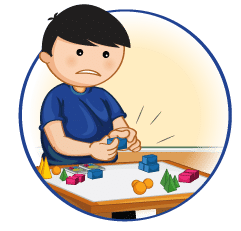
 Obsessive Compulsive Disorder (OCD) is a neurobiological mental health condition that affects millions of people worldwide, including a significant number of children and adolescents. While often portrayed in popular media as a mere quirk involving cleanliness or organization, the reality for a child living with OCD is far more complex and emotionally taxing. It is a cycle of intense anxiety fueled by intrusive thoughts and the desperate urge to perform rituals to make that anxiety go away.
For parents, witnessing a child struggle with these behaviors can be confusing and heartbreaking. Understanding the mechanics of the disorder is the first step toward providing the support and intervention a child needs to reclaim their childhood.
What is Obsessive Compulsive Disorder (OCD) in Children?
At its core, OCD is defined by two primary components: obsessions and compulsions. In children, these manifestations can be particularly distressing because the child may lack the emotional vocabulary to explain what is happening in their mind.
Obsessions are unwanted, intrusive thoughts, images, or urges that pop into a child’s head unbidden. These are not typical “worries” about a test or a sports game; they are persistent and often irrational fears. A child might be plagued by the thought that their hands are covered in deadly toxins, or they might experience a nagging sense that something is “not quite right” or “incomplete.” These thoughts create an overwhelming sense of dread, discomfort, or urgency.
Compulsions are the repetitive actions or mental rituals that a child performs in an attempt to neutralize the anxiety caused by the obsession. For example, if a child has an obsessive fear of a house fire, their compulsion might be to check the toaster or light switches exactly ten times before leaving the room. While these rituals provide temporary relief, they ultimately reinforce the OCD cycle, leading the child to believe that the ritual is the only thing preventing a catastrophe.
The “Disorder of Doubt”
OCD is frequently referred to by clinicians as the “disorder of doubt.” This is because the condition thrives on uncertainty. A child with OCD may logically know that their hands are clean after washing them once, but the “OCD voice” whispers, “Are you sure? What if you missed a spot? What if there’s a new germ?” Because of this pathological uncertainty, children feel unable to stop their rituals. They are trapped in a loop where they seek a level of certainty that is impossible to achieve. Even when parents or teachers provide reassurance or encourage them to stop, the internal pressure to “fix” the feeling of doubt remains incredibly powerful.
Why Children Often Hide Their OCD Symptoms
It is common for children to suffer in silence for months or even years before a parent realizes something is wrong. This “closet” nature of OCD occurs for several psychological and social reasons:
- Lack of Understanding: Younger children may believe that everyone thinks the way they do. They might assume their intrusive thoughts are “secrets” they must keep to protect their family.
- Embarrassment and Shame: As children get older, they often realize their rituals (like touching every doorframe or counting steps) are unusual. To avoid being seen as “weird,” they may go to great lengths to perform their compulsions in private.
- Fear of Judgment: Children are acutely aware of social hierarchies. They may worry that if they speak about their “scary thoughts,” they will be teased by peers or viewed differently by their teachers.
- Fear of Consequences: Some children fear that if they admit to their thoughts—especially if those thoughts involve “bad” things happening to loved ones—the mere act of speaking them aloud will make the fears come true. They may also fear being scolded for “wasting time” on rituals.
Because of this secrecy, parents must be vigilant observers of subtle behavioral shifts rather than waiting for the child to come forward.
Signs of OCD in Children Parents Should Watch For
 Recognizing OCD requires looking past the behavior itself and identifying the motivation behind it. While every child is different, there are several common red flags that suggest a child may be struggling with OCD:
1. Excessive Worry or Persistent Anxiety
While all children experience fear, OCD anxiety is characterized by its intensity and persistence. You might notice your child appearing constantly on edge, nervous, or fearful even in environments where they are traditionally safe, such as at home or in a favorite hobby class.
2. Repetitive and Ritualistic Behaviors
This is the most visible sign of OCD. Watch for patterns that seem rigid or “must” be done a certain way. Common examples include:
- Cleaning/Washing: Spending an unusual amount of time in the bathroom or using excessive amounts of soap.
- Checking: Repeatedly checking that doors are locked, backpacks are zipped, or homework is in a folder.
- Symmetry and Ordering: An intense need to have toys, clothes, or food arranged in a perfectly symmetrical or specific order.
- Repeating: Needing to get up and sit back down, or re-read a sentence until it feels “perfect.”
3. Constant Doubt and the Reassurance Loop
A hallmark of childhood OCD is the “reassurance trap.” A child may ask the same question dozens of times: “Are you sure we aren’t going to get sick?” or “Did I do my homework right?” If the child seems unable to accept your answer and continues to ask despite your repeated confirmation, it may be a verbal compulsion.
4. Difficulty Concentrating and Brain Fog
Intrusive thoughts are “loud” and distracting. A child who is mentally fighting off a scary image or trying to keep track of a mental count will likely struggle to focus on what a teacher is saying. This often looks like ADHD or daydreaming, but it is actually the result of the child being preoccupied with internal rituals.
5. Significant Delays in Daily Routines
If a five-minute task, like putting on shoes or brushing teeth, suddenly starts taking twenty minutes, it may be because the child is performing “hidden” rituals. They might be waiting for a “good” thought before they tie their laces or checking the sink multiple times before leaving the bathroom.
Why Early Recognition Matters
Early intervention is the single most important factor in a child’s long-term outlook. When OCD is left untreated, the “neural pathways” for these rituals become more ingrained, and the disorder can expand to consume more of the child’s day.
By identifying symptoms early, parents can prevent the disorder from interfering with critical developmental milestones. Untreated OCD can lead to:
- Academic decline due to inability to concentrate.
- Social isolation as the child avoids “triggering” situations or peers.
- Low self-esteem and the development of secondary conditions like depression.
Proper support teaches the child that they are not their thoughts and that they have the power to resist the urges, leading to a much higher quality of life.
How Parents Can Support a Child with OCD
If you suspect your child has OCD, your role is to be a supportive ally rather than a “fixer.” Here is how you can help:
Create a Safe Space for Communication
When your child describes a frightening thought, listen without judgment. Avoid saying things like “That’s a silly thing to worry about” or “Just stop thinking about it.” Instead, validate their feelings by saying, “I can see that this thought is making you feel very anxious, and I’m here to help you through it.”
Avoid Criticizing the Rituals
It is natural to feel frustrated when a ritual makes you late for work, but scolding the child only increases their anxiety—which, in turn, fuels more OCD. Focus on the fact that the disorder is the problem, not the child.
Observe and Document
Keep a quiet log of when the behaviors happen. Are they worse at night? Do they happen more on school days? This information is invaluable for a mental health professional.
Seek Evidence-Based Treatment
The “gold standard” for treating pediatric OCD is Cognitive Behavioral Therapy (CBT), specifically a technique called Exposure and Response Prevention (ERP). In ERP, a child is gradually exposed to their fear in a safe environment and taught how to resist the urge to perform the compulsion. Over time, the brain learns that the “danger” isn’t real, and the anxiety naturally fades. In some cases, a pediatrician may also recommend medication to help lower the “baseline” anxiety so the child can focus on therapy.
Final Thoughts
Obsessive Compulsive Disorder in children is a challenging condition that can mask a child’s true personality behind a veil of fear and repetition. However, it is also a highly treatable condition. By staying informed about the signs and symptoms, parents can act as the first line of defense.
With a combination of parental patience, specialized therapy, and a supportive home environment, children can learn to “talk back” to their OCD. They can develop the resilience and coping strategies necessary to lead happy, fulfilling lives where they are in control—not their obsessions.